It’s the renewables on the grid that have to make a difference. If you’re powering an electric car purely out of electricity generated with fossil fuels you’re effectively building a series hybrid with extra steps, with the combustion engine being outside of the vehicle. Or I guess you could also compare it to a diesel-electric locomotive with the generator outside the vehicle, which he also explained in the video would not be good for efficiency. And yes at the scale of power plants you can do some things more efficient, but it’s not actually that much as the efficiency is mostly limited by similar thermodynamic processes than that happen inside an engine. A typical coal power plant also has an efficiency of 30-40% (so effectively a mediocre coal plant is similar in efficiency to a very efficient engine, and yes, some new ones can reach higher efficiencies, but the vast majority still use an old design, at least around here). But when you get the energy from a power plant you still have distribution losses on the grid, conversion losses when charging the battery and again when discharging the battery, and the efficiency losses in the electric motor, while you do not have grid losses and charging/discharging losses and losses in an electric motor with a combination engine is directly driving the wheels.
That’s why it’s important to keep investing in renewables. You indeed don’t need a whole lot of renewables to offset the efficiency losses of the battery and distribution, but you do need at least some of it. And you also should not just look at the grid as a whole, but at how the additional load of charging the vehicle gets handled. If all renewables on the grid are operating at maximum capacity all the time, and there is a coal plant that is used to burn extra coal when extra capacity is needed, then any additional load can be considered to be running on pure coal power even if the grid contains many renewable sources. But if you live in a neighbourhood where there is a constant overproduction of solar power while the grid and can charge your car at times of overproduction, then you effectively charge your car with fully green energy even if the grid contains a lot of fossil fuel plants.
You can consider electric cars to be the infrastructure that enables the transport sector to become more green, but we do also need to actively increase energy generations via green sources to actually make use of that “infrastructure”.
Though I guess there is also some good news: Powering an electric car from exclusively fossil fuel energy sources puts the efficiency of the full chain somewhere between regular cars and hybrids. So it should at least never be worse than driving a regular car. Worst case it’s just equivalent. But it does need investments in green energy sources as the demand on electricity increases to become significantly better.
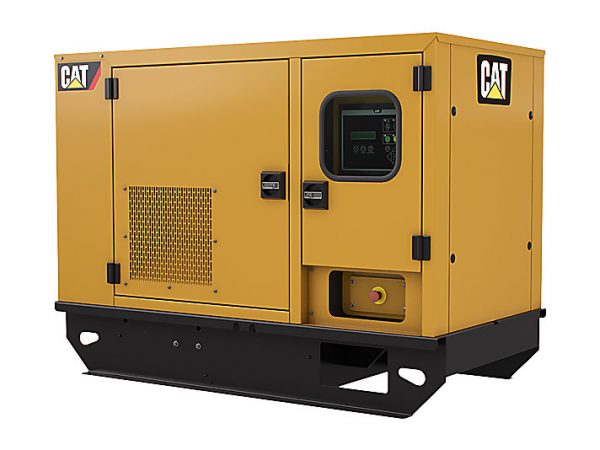

It’s the renewables on the grid that have to make a difference. If you’re powering an electric car purely out of electricity generated with fossil fuels you’re effectively building a series hybrid with extra steps, with the combustion engine being outside of the vehicle. Or I guess you could also compare it to a diesel-electric locomotive with the generator outside the vehicle, which he also explained in the video would not be good for efficiency. And yes at the scale of power plants you can do some things more efficient, but it’s not actually that much as the efficiency is mostly limited by similar thermodynamic processes than that happen inside an engine. A typical coal power plant also has an efficiency of 30-40% (so effectively a mediocre coal plant is similar in efficiency to a very efficient engine, and yes, some new ones can reach higher efficiencies, but the vast majority still use an old design, at least around here). But when you get the energy from a power plant you still have distribution losses on the grid, conversion losses when charging the battery and again when discharging the battery, and the efficiency losses in the electric motor, while you do not have grid losses and charging/discharging losses and losses in an electric motor with a combination engine is directly driving the wheels.
That’s why it’s important to keep investing in renewables. You indeed don’t need a whole lot of renewables to offset the efficiency losses of the battery and distribution, but you do need at least some of it. And you also should not just look at the grid as a whole, but at how the additional load of charging the vehicle gets handled. If all renewables on the grid are operating at maximum capacity all the time, and there is a coal plant that is used to burn extra coal when extra capacity is needed, then any additional load can be considered to be running on pure coal power even if the grid contains many renewable sources. But if you live in a neighbourhood where there is a constant overproduction of solar power while the grid and can charge your car at times of overproduction, then you effectively charge your car with fully green energy even if the grid contains a lot of fossil fuel plants.
You can consider electric cars to be the infrastructure that enables the transport sector to become more green, but we do also need to actively increase energy generations via green sources to actually make use of that “infrastructure”. Though I guess there is also some good news: Powering an electric car from exclusively fossil fuel energy sources puts the efficiency of the full chain somewhere between regular cars and hybrids. So it should at least never be worse than driving a regular car. Worst case it’s just equivalent. But it does need investments in green energy sources as the demand on electricity increases to become significantly better.