

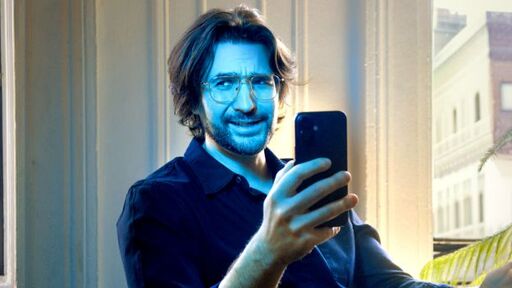
The public freakout about blue light started with a study in 2014. Half of the 12 participants read on an iPad before bed. The rest read physical books. The iPad users took longer to fall asleep, felt groggier the next day and produced less melatonin. The researchers said the culprit was the glow emitted from the iPad’s LED screen, which produces a disproportionate amount of light in the upper, bluer end of the spectrum. Under specific circumstances, blue-enriched light disrupts the daily circadian rhythm – our body’s natural pacemaker – that uses daylight to help determine when we start to feel tired. Subsequent research seemed to support the findings. Sounds simple, right? It’s not.
“This was an incredibly deceptive piece of work,” says Jamie Zeitzer, a professor of psychiatry and behavioural sciences at Stanford University, who studies the effect of light on the circadian system. The science wasn’t bad, he says, the problem is it brought people to bad conclusions.
After years warnings and millions of people flipping on the blue light filters built into their phones, the latest science suggests screens are not the main culprit here after all. For example, a recent review of 11 different studies and found that the light from screens only delayed sleep by about nine minutes, at worst. Not zero, but not life altering, either.
The amount of blue light emitted by the screens of phones, laptops and tablets has also been shown to be tiny compared to the blue light we receive from the Sun – 24 hours-worth of blue light from digital devices totted up to less than one minute spent outdoors, according to one study. Other studies have shown it’s not enough to affect levels of the hormones that control our sleep.
So why am I so tired all the time? Zeitzer and others told me there are lots of other ways that light, blue and otherwise, could be ruining my bedtime. If I really wanted to tackle the blue monster, it was going to take a serious lifestyle change.
RTO propaganda! /s
unsarcastically this. Days I wfh, I get to enjoy my coffee on the deck in the morning sun, and go outside for lunch when the weather is nice. Meanwhile my desk and lab are in the basement so I rarely see the sun when I go into the office.