To repeat my comment over on !technology@lemmy.world, “open-sources” isn’t really the right term here, as the source code that runs the speakers isn’t being released. This is just releasing API documentation to let software interact with the speakers.
That’s still a pretty big win. It means the interoperability and control via external means is preserved. It can be localized as well and prevents it from becoming e-waste as quickly.
I wish more devices would do that EOL. I don’t need to know how it works internally, but as long as I can still use it when it’s cloud based service shuts down is amazing.


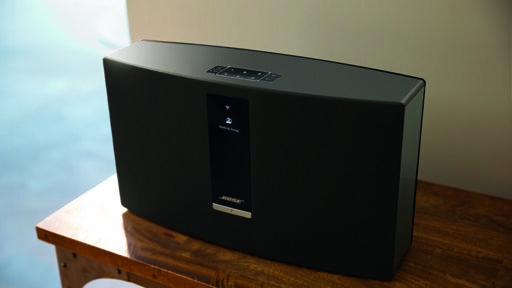
To repeat my comment over on !technology@lemmy.world, “open-sources” isn’t really the right term here, as the source code that runs the speakers isn’t being released. This is just releasing API documentation to let software interact with the speakers.
That’s still a pretty big win. It means the interoperability and control via external means is preserved. It can be localized as well and prevents it from becoming e-waste as quickly.
I wish more devices would do that EOL. I don’t need to know how it works internally, but as long as I can still use it when it’s cloud based service shuts down is amazing.
I appreciate you pointing that out! The move is pro-consumer and should be commended for that, but it’s important to use the correct terminology.