
In early November, a social media post by United States President Donald Trump set off alarm bells across Nigeria. The US “Department of War”, he said, was preparing to go into the West African country “guns-a-blazing” over what he claimed was the killing of Christians in Nigeria.
As Nigerians worried about a potential bombing campaign against their nation, the Tinubu government — though still denying accusations of a “Christian genocide” — quietly pivoted. Instead of aggressive rhetoric, it said it would welcome US assistance in dealing with security challenges that have long proved a thorn in the side of successive Nigerian governments.
Weeks later, on the night of December 25, the US launched what Trump described as “powerful and deadly” strikes in northwest Nigeria but the US military’s Africa Command (AFRICOM) made clear the attacks were carried out “at the request of Nigerian authorities”.
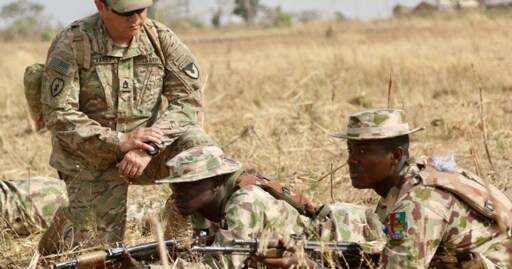
That cooperation between the US and Nigeria only appears to have grown, culminating this week in 100 US military personnel arriving in the country to help train Nigerian soldiers in the fight against armed groups.
Nigeria’s Ministry of Defence said US forces will assist with “technical support” and “intelligence sharing”, and despite not playing a direct combat role, will help target and defeat “terrorist organisations”.